
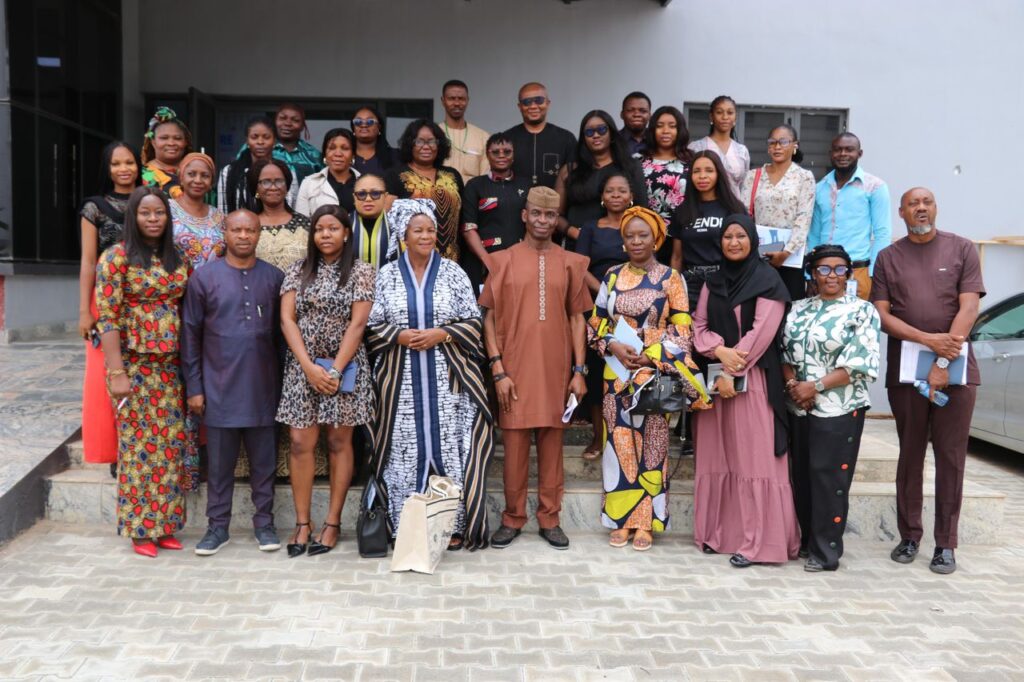
Students and key industry stakeholders gathered in Abuja for the maiden Tourism Trade Steering Meeting organised by the Abuja Chamber of Commerce and Industry, in a move aimed at strengthening partnerships and unlocking opportunities in Nigeria’s tourism and creative sectors.
The meeting, hosted under the platform of the ACCI Tourism and Creative Industry Trade Group, brought together representatives from government institutions, private sector organisations, and student bodies to explore strategies for driving innovation and sustainable growth.
Participants at the high-level engagement emphasised the need for stronger collaboration between public and private actors to fully harness the economic potential of tourism and the creative industry.
Representing the Students Chamber of Commerce and Industry, Charis Okaeben, a student of Tourism and Hospitality Management and member of the Association for Students Social Welfare, joined other young professionals at the event, highlighting the growing role of youth in shaping the sector.
Speaking at the meeting, representatives of the chamber reaffirmed their commitment to building sustainable partnerships that can support long-term development. They stressed that effective policies, continuous engagement, and investment-friendly frameworks are critical to achieving growth in the tourism ecosystem.
Chairman of the ACCI Tourism and Creative Industry Trade Group, Abiodun Odunsanwo, outlined key priorities for the group in 2026, including promoting tourism investments, strengthening partnerships, and expanding skills development initiatives through the ACCI Business Entrepreneurship Skills and Technology Centre.
He encouraged increased participation from stakeholders, particularly young people and student organisations, in upcoming programmes designed to drive sectoral growth.
In a keynote address, a representative of the Federal Ministry of Finance highlighted the importance of tourism and the creative economy in supporting Nigeria’s diversification agenda. The official noted that the sector remains a major driver of job creation and foreign exchange earnings, while reiterating government commitment to improving infrastructure and maintaining investor-friendly policies.
A presentation delivered on behalf of the ACCI Business Entrepreneurship Skills and Technology Centre also underscored the importance of equipping young people with relevant skills. Stakeholders stressed the need for entrepreneurship, leadership, and digital competencies to ensure competitiveness in the evolving tourism landscape.
Participants were also briefed on upcoming programmes, including policy engagements, conferences, and industry events expected to further position Nigeria as a competitive tourism destination.
The event attracted representatives from several organisations, including the Federal Ministry of Art, Culture, Tourism and Creative Economy, the Nigerian Institute of Hospitality and Tourism, and the Centre for Black and African Arts and Civilization, among others.
Speaking after the meeting, Okaeben commended the initiative, describing it as a valuable platform for student engagement and professional development.
She noted that access to such industry-level discussions provides young people with insights and opportunities needed to contribute meaningfully to national development.
Stakeholders at the meeting agreed that sustained collaboration and youth inclusion would be critical to unlocking the full potential of Nigeria’s tourism and creative industries.
The engagement marks a step toward positioning the sector as a key pillar of economic growth, with experts expressing optimism that continued partnerships can enhance Nigeria’s competitiveness within Africa’s tourism market.