
In Ikire, Osun State, a group of young Nigerians in service uniforms did something truly special — they armed teenagers with knowledge that could save their future families from heartache.
On Monday, the Medical and Charity CDS groups of Irewole LGA organized a life-changing Community Health and Genotype Awareness Outreach for secondary school students aged 14 to 20.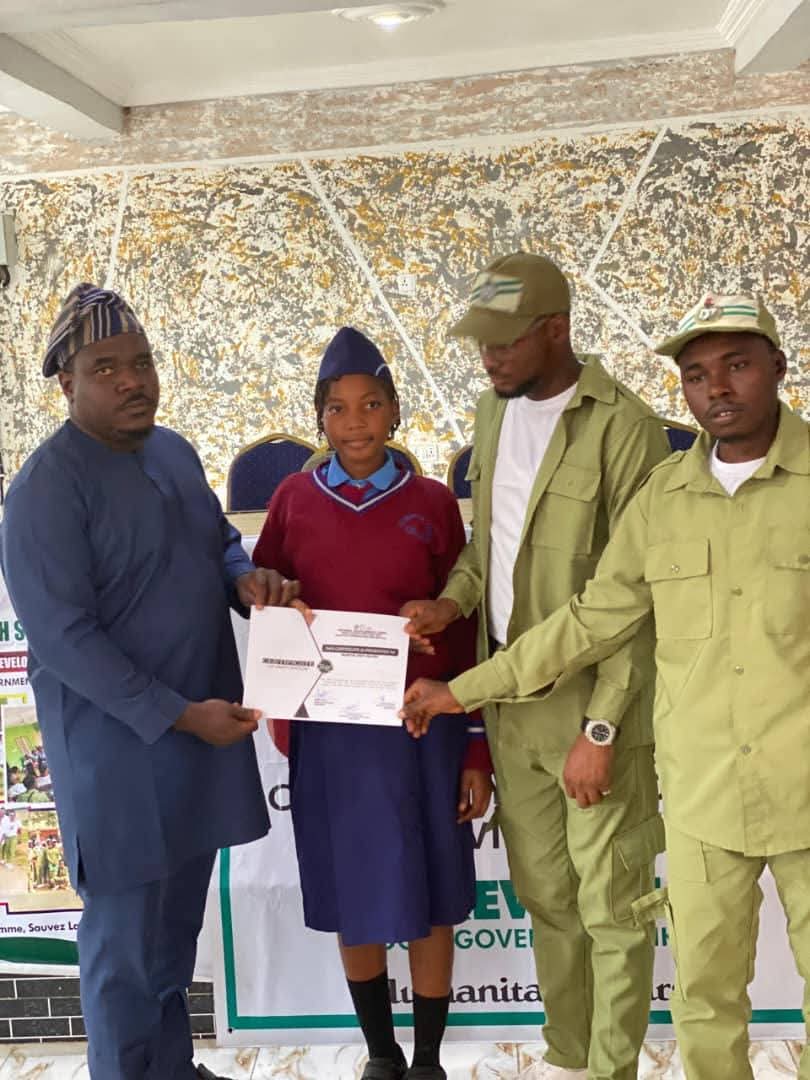
Held at Ibran Hotel and Event Centre, the project focused on helping young people understand their genotype, blood group, and how these determine health and marriage compatibility.
For many of the students, this was their first time being tested — and the first time learning why these results matter beyond just a piece of paper.
“We believe knowing your genotype early can prevent so much pain in adulthood,” said Okafor Livinus, President of the Medical CDS, as he welcomed hundreds of students who came with eager faces and nervous smiles.
Blood samples were collected days earlier from students in nine different schools, all with parental approval. The tests were processed at St. Jude Hospital, Ikire, but this outreach was about more than just testing — it was about education, empowerment, and hope.
Three corps members, Egbon Orobosa Krystal, Okafor Livinus, and Dr. Habeeb Bolakole Sulaiman, gave engaging talks, breaking down complex medical topics into simple truths the students could understand: why knowing your blood group can save your life, how genotypes affect children’s health, and how informed decisions today can prevent emotional trauma tomorrow.
“It was eye-opening,” said one student who discovered their genotype for the first time.
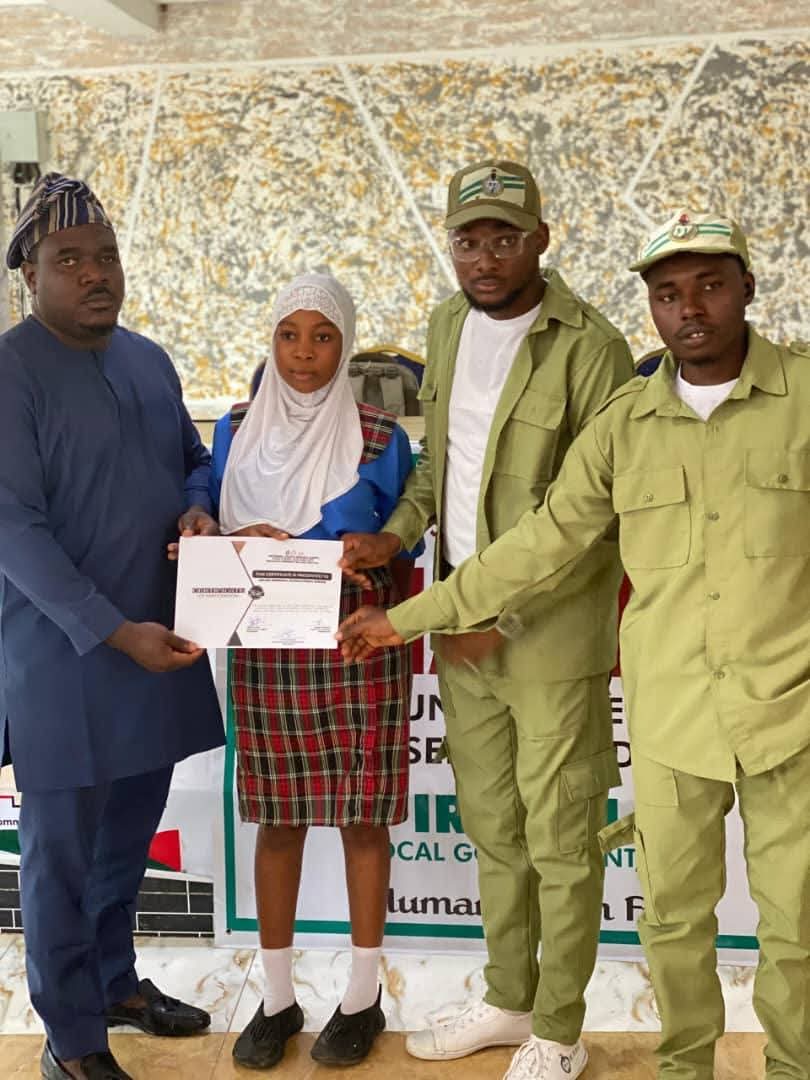
After learning, the students collected their test results and received personal counselling from medical corps members, ensuring they not only knew the facts but understood what it meant for their futures.
The event wasn’t just educational; it was uplifting. Refreshments were served, questions were welcomed, and students left with more than just results — they left with confidence and clarity.
Over 200 students were tested, and teachers described the programme as life-changing. “This is how change begins — by enlightening the young,” said a teacher from one of the participating schools.
In attendance were key NYSC officials, including the Zonal Inspector for Ife Zone, Mr. Owoseni Akin, and Local Government Inspector, Mr. Atere Olalekan, who praised the project’s impact and called for more initiatives like this in the future.
In a country where many discover their genotype too late, these corps members chose to act early — and their small act of service may have just changed hundreds of lives.
Best experience so far in the Philippines. The interface is very user-friendly and the payouts are fast. Definitely my new favorite spot phnustarapps
I’ve been looking for a reliable spot to play and this one really delivers. The interface is smooth and the payouts are fast. Definitely check out idkatsu5 if you want a hassle-free experience.
I appreciate how straightforward the promotions are. No hidden terms, just honest gaming and great rewards. I will be staying with this platform for a while. Visit warungslot88login